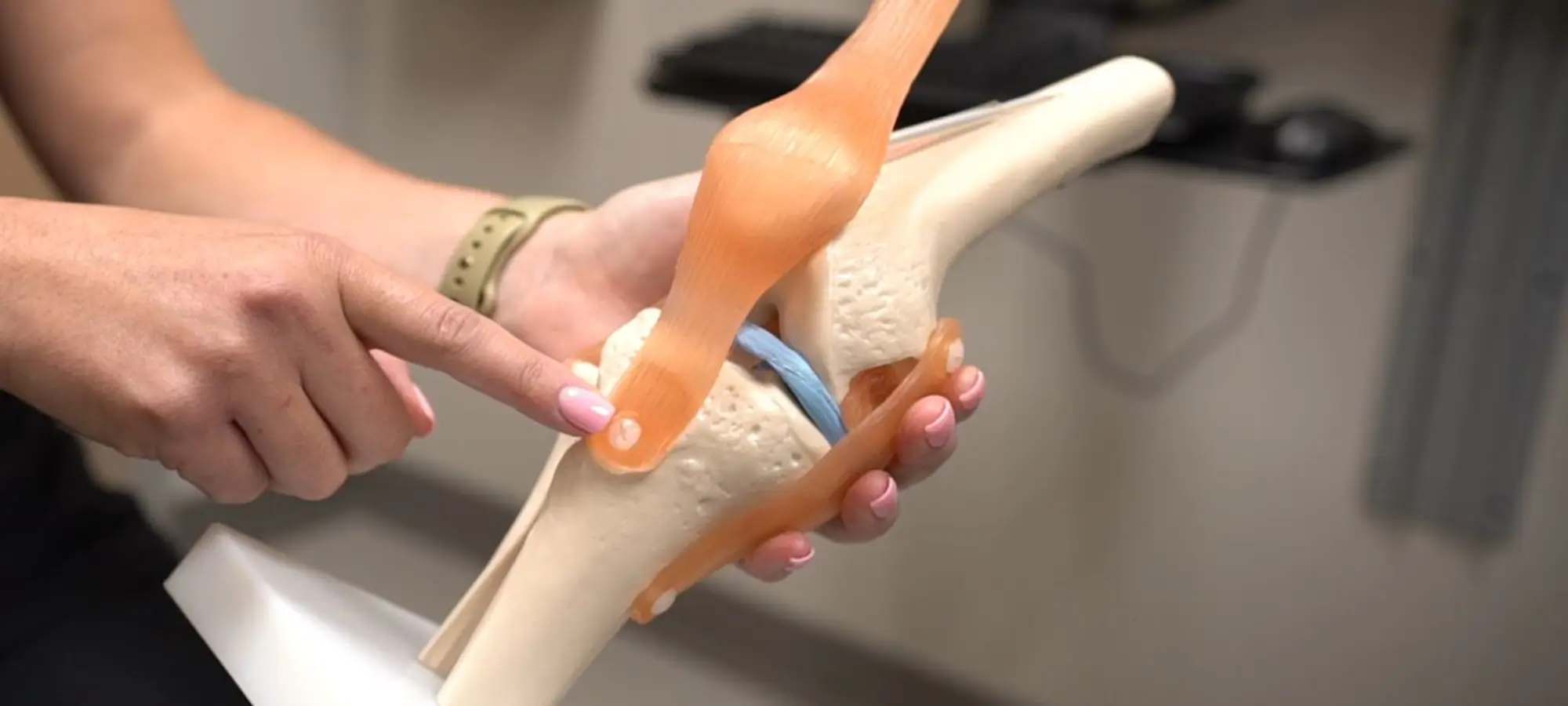
Knee Surgery for Arthritis: A Complete Guide
In short:
- Knee arthritis causes pain, stiffness, and reduced mobility due to cartilage wear.
- Knee surgery for arthritis offers lasting relief when conservative treatments are no longer effective.
- Consulting an orthopedic specialist helps determine the best personalized treatment path for your unique needs.
Understanding Knee Arthritis and Your Options
According to the World Health Organization, more than 365 million people suffer from arthritis in the knee, making it the most frequently affected joint. If you experience daily stiffness, swelling, or limited movement, finding the right care is the first step toward relief.
This guide explores everything you need to know about treating arthritis, from understanding early symptoms to exploring your options for recovery and regaining your mobility. We will also talk about how our doctors at United Regional can help.
What is Knee Arthritis?
Knee arthritis is a condition where the protective cartilage cushioning the ends of bones within your knee joint progressively wears away. This friction causes chronic pain, swelling, and stiffness that can severely limit your mobility.
There are two primary types of knee arthritis:
- Osteoarthritis (OA): The most common form, often called "wear-and-tear" arthritis, where cartilage gradually breaks down.
- Rheumatoid Arthritis (RA): An autoimmune disease where the body’s immune system mistakenly attacks the joint lining, causing inflammation and cartilage damage.
Early diagnosis and treatment are vital for slowing the progression of the disease and improving your comfort and mobility.
When is Knee Surgery for Arthritis Considered?
Knee surgery for arthritis becomes a viable option when non-surgical treatments no longer provide adequate pain relief or functional improvement. If your quality of life is significantly impaired, it might be time to explore surgical solutions.
This decision is always a collaborative process between you and your orthopedic surgeon.
The doctors weigh factors like the severity of your arthritis, age, activity level, overall health, and personal goals. The primary goals of surgery are to reduce your pain, restore joint function, and improve mobility so you can thrive.
Types of Knee Arthritis Surgery
Surgical interventions for knee arthritis range from minimally invasive procedures to comprehensive joint replacement. A trusted orthopedic specialist will help you understand which personalized treatment option is best for your specific condition.
Partial Knee Arthroplasty (PKA)
Also known as unicompartmental knee replacement, this is an option if you have isolated arthritis in only one compartment of the knee. This procedure replaces only the damaged portion. It preserves more of your natural knee and often leads to a faster, smoother recovery.
Total Knee Arthroplasty (TKA)
Also called total knee replacement, we recommend TKA for widespread cartilage damage across multiple areas of the knee. This surgery involves resurfacing the ends of the femur and tibia, and often the patella, with durable metal and plastic components.
Osteotomy
This procedure realigns the leg bones to shift your body weight off the damaged part of the knee. Doctors often consider this for younger, active patients with specific joint deformities.
Causes and Risk Factors for Knee Arthritis
Understanding the underlying causes and risk factors for knee arthritis is essential in developing an effective treatment plan.
Primary Causes
The causes of knee arthritis vary depending on the specific type:
- Osteoarthritis results from a combination of mechanical stress and biochemical changes, leading to the gradual breakdown of your articular cartilage.
- Rheumatoid arthritis is caused by an overactive immune system that creates chronic inflammation and cartilage erosion.
- Post-traumatic arthritis may develop after a major knee injury, like an ACL tear or serious fracture. These injuries change your joint's mechanics and can speed up cartilage breakdown.
Less common causes include gout and joint infections.
Modifiable and Non-Modifiable Risk Factors
Understanding your risk factors is a critical step in managing your joint health.
Non-modifiable risk factors
Non-modifiable risk factors are factors you cannot change, such as your age, genetics, and sex. According to the American Arthritis Foundation, postmenopausal women are at a higher risk of developing osteoarthritis.
Modifiable risk factors
Modifiable risk factors are aspects of your health that you have the power to change. For instance, excess body weight puts more strain on your knees and can increase inflammation. Other contributing factors include previous knee injuries, repetitive stress from activities like high-impact sports, and overall muscle weakness.
By managing these factors, you can significantly slow the progression of arthritis and improve your joint health.
Diagnosing and Treating Your Knee Arthritis
To diagnose knee arthritis, our orthopedic specialists begin with a thorough evaluation. Your doctor will discuss your medical history and listen carefully to understand your symptoms and how they affect your daily life.
A physical exam helps orthopedic doctors assess your knee's range of motion, tenderness, and any swelling. We at United Regional also use imaging studies to get a clearer picture of your joint health:
- X-rays: These images can reveal joint space narrowing and bone spurs, which are common signs of arthritis.
- MRI Scans: An MRI allows us to see soft tissues like cartilage and ligaments, helping us detect early signs of arthritis that X-rays might miss.
Conservative Management Strategies
For many people, especially in the early stages of arthritis, conservative treatments can effectively manage symptoms and delay the need for surgery.
- Lifestyle Modifications: Losing excess weight can reduce stress on your knee joints, while low-impact exercises like swimming and walking help maintain mobility.
- Physical Therapy: Our physical therapists at United Regional will work with you to strengthen the muscles that support your knee, including your quadriceps, hamstrings, and core.
- Medications and Injections: Over-the-counter pain relievers, prescription medications, or corticosteroid injections can help manage pain and reduce inflammation.
Preparing for and Recovering from Knee Surgery
If surgery becomes necessary, taking the right steps before and after the procedure can make all the difference in your recovery process.
Pre-Surgical Evaluation and Preparation
If you and your doctor decide that knee surgery for arthritis is the right path, thorough preparation ensures the best possible outcome. You will undergo a comprehensive medical assessment to evaluate your overall health.
Our orthopedic doctors often recommend "prehab", or pre-operative physical therapy, to strengthen your muscles and improve your range of motion before the procedure. Our team will also provide clear education on the surgery, expected recovery timelines, and effective pain management, ensuring you feel confident and cared for every step of the way.
Post-Surgical Rehabilitation and Outlook
Rehabilitation is a crucial phase that directly impacts the long-term success of your knee surgery. Early mobilization is highly encouraged to promote healing and prevent complications.
Physical therapy usually begins while you are still in the hospital and continues as an outpatient program. We focus on restoring your range of motion, rebuilding strength, and improving your balance.
Adhering to your prescribed therapy regimen is vital. While recovery timelines vary, the outlook for most patients is excellent. You can look forward to significant pain relief and the ability to return to many of your favorite daily activities.
Schedule a Knee Surgery for Arthritis Consultation at United Regional in Wichita Falls, TX
Living with chronic knee pain can disrupt your active lifestyle and keep you from the activities you love. If you experience daily stiffness, swelling, or limited movement, finding the right care is crucial.
At United Regional, we understand how challenging this can be. We are here to partner with you in your health journey, providing compassionate expert care right here at home.
Schedule a consultation to discuss knee surgery for arthritis with our dedicated team at United Regional in Wichita Falls, TX. Call us at 940-764-5400 to find the relief you deserve.
Frequently Asked Questions
Yes, knee replacement is a very common and highly effective treatment for severe arthritis that causes significant pain and limits your daily activities. It is a specific type of knee surgery for arthritis designed to replace damaged joint surfaces with advanced artificial implants, helping to restore your function and relieve pain.
Recovery time after knee surgery for arthritis varies depending on the specific procedure and your individual health. Generally, it involves several weeks to a few months of guided physical therapy.
Most people can comfortably resume light activities within a few weeks, though achieving full functional recovery can take up to a year.
The "best" knee surgery for arthritis depends entirely on your unique situation. Factors include your age, activity level, the severity of the arthritis, and your overall health goals. Options range from partial to total knee replacement.
Your orthopedic specialist will compassionately guide you toward the most suitable surgical approach for your specific needs.
Musculoskeletal Symptom Checker
Easily assess your symptoms with our advanced Symptom Checker tool within MyChart. Please note that back and head injuries are not seen at Orthopedics Express.